

What is VPS hosting? VPS hosting (Virtual Private Server hosting) gives your website its own private section of a powerful physical server, with dedicated CPU, RAM and storage that no other customer can use. It sits between cheap shared hosting and an expensive dedicated server, giving UAE businesses faster speed, stronger security and full control at a price that still makes sense. At Khaleej Host, a UAE-based web hosting provider, our VPS plans are built for businesses at exactly this stage of growth.
If your website is slowing down at peak hours, your online store is growing, or you need to install custom software, this guide explains exactly what VPS hosting is, how it works, what it costs in the UAE, and how to decide if it is the right move for your business.
Key Takeaways: What Is VPS Hosting?
- A VPS is a virtual machine with guaranteed resources (vCPU, RAM, SSD storage) carved out of one physical server.
- A hypervisor keeps each VPS isolated, so other users cannot slow down or access your site.
- VPS hosting is ideal for growing business websites, WooCommerce stores, web apps, agencies and ERP or CRM systems.
- You get root access and can choose a managed VPS (provider handles the server) or an unmanaged VPS (you handle it).
- In the UAE, entry-level VPS plans start at around AED 40–60 per month.
What Is VPS Hosting? A Simple Definition
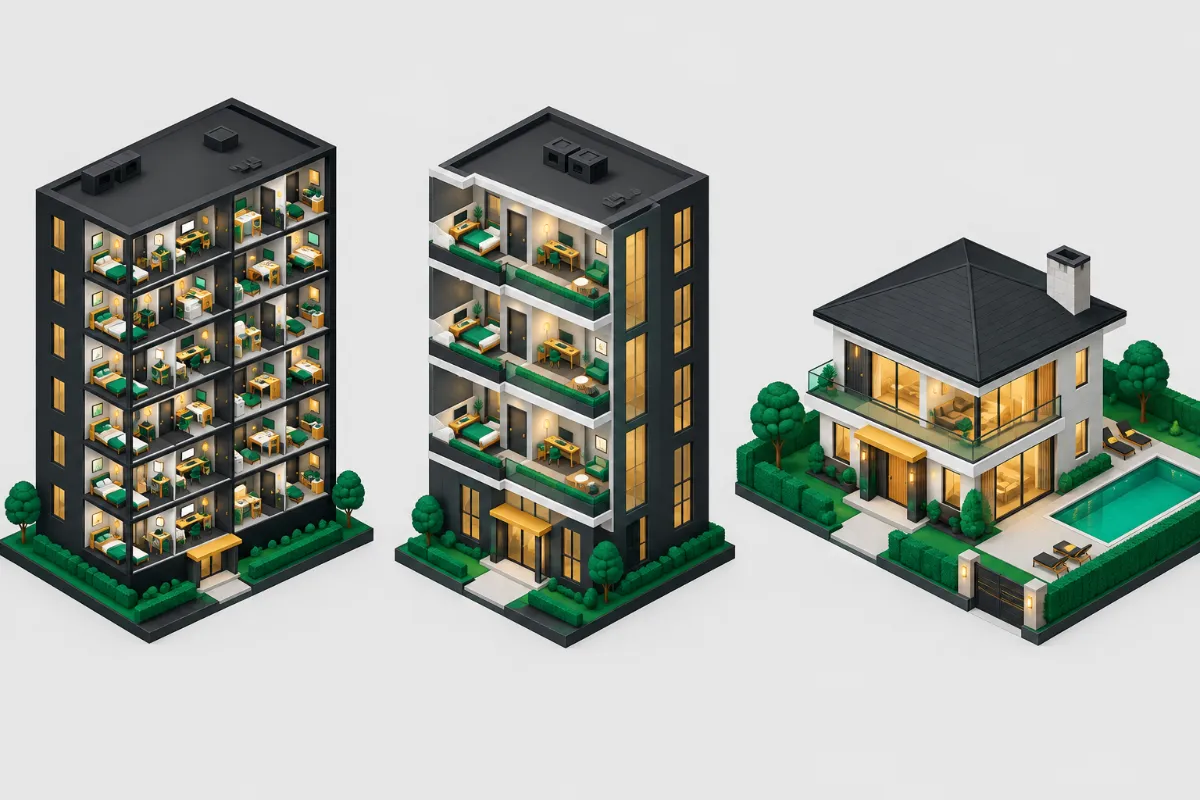
To understand what is VPS hosting in plain terms, think of a large physical server as a building. Shared hosting is like many people sharing one open office: everyone uses the same desks, power and internet, so one noisy neighbour affects everyone. A VPS is like a private, locked office inside that building. You still share the building, but your space, your furniture and your electricity are reserved for you alone.
Technically, a Virtual Private Server is a virtual machine that runs its own operating system (usually Linux) with a fixed share of processor cores, memory and disk space. Your website, email, databases and applications run inside that private environment.

How Does VPS Hosting Work?
VPS hosting works through a technology called virtualisation. Here is the process step by step:
- A powerful physical server is installed in a data centre with many CPU cores, large amounts of RAM and fast NVMe or SSD storage.
- A hypervisor (software such as KVM) is installed on that server. Its job is to split the hardware into separate virtual machines.
- Each virtual machine gets fixed resources, for example 4 vCPU cores, 8 GB RAM and 100 GB SSD. These resources are reserved for that VPS only.
- Each VPS runs its own operating system, so you can install the software, PHP version, database or control panel (such as cPanel) that your website needs.
- Isolation keeps everything separate. If another VPS on the same machine gets a traffic spike or a security problem, your server is not affected.
This is the key difference that answers the question of what is VPS hosting compared with basic hosting: your resources are guaranteed, not shared.
VPS vs Shared Hosting vs Dedicated Server
A common follow-up to what is VPS hosting is how it compares with the alternatives. Most UAE businesses compare three options. The table below shows how a VPS fits between them.
| Feature | Shared Hosting | VPS Hosting | Dedicated Server |
|---|---|---|---|
| Resources | Shared with hundreds of sites | Guaranteed vCPU, RAM and storage | Entire physical server |
| Performance | Can slow down at peak times | Fast and consistent | Highest |
| Security | Basic, shared environment | Isolated environment | Fully isolated |
| Root access | No | Yes | Yes |
| Scalability | Limited | Upgrade in minutes | Needs hardware changes |
| Typical cost (UAE) | Lowest | Mid-range (from ~AED 40/month) | Highest |
| Best for | New and small websites | Growing businesses, stores, apps | Large enterprises |
If your traffic changes a lot from month to month, you may also want to compare VPS with cloud hosting, which spreads your site across several servers. Our guide what is cloud hosting explains how it works, and shared hosting problems and how to avoid them covers the limits of entry-level plans. For a deeper look at choosing by traffic level, read how to choose hosting based on your website traffic.
7 Key Benefits of VPS Hosting for UAE Businesses
Understanding what is VPS hosting matters because of the practical benefits it brings to a growing business:
1. Faster, More Stable Website Speed
Because your CPU and RAM are reserved, your pages load quickly even when other websites on the same machine are busy. Speed directly affects sales and Google rankings, as we explain in why website speed matters for UAE visitors.
2. Stronger Security Through Isolation
Your server is separated from other users. A hacked or badly coded site next door cannot reach your files or databases.
3. Full Root Access and Control
You can install custom software, choose your PHP and database versions, configure caching and set your own firewall rules. Shared hosting does not allow this.
4. Easy Scalability
When your business grows, you can upgrade to more vCPU, RAM or storage without moving your website to a new provider.
5. Dedicated IP Address
Most VPS plans include a dedicated IP, which helps with business email deliverability, SSL setup and some business applications.
6. Better Value Than a Dedicated Server
You get many of the benefits of a dedicated server for a fraction of the monthly cost.
7. Reliable Performance for Ecommerce
Online stores need stable checkout speed during sales such as White Friday, Ramadan and DSF. A VPS keeps your store responsive when it matters most, and helps you avoid costly downtime during peak hours. See our ecommerce hosting options for stores that are still growing.
Managed vs Unmanaged VPS: Which Should You Choose?
Once you know what is VPS hosting, the next decision is who manages the server.
- Unmanaged VPS: you get full root access and handle the operating system, updates, security and backups yourself. Best for developers and IT teams with Linux experience.
- Managed VPS: the hosting provider takes care of server setup, security patches, monitoring and support, often with cPanel included. Best for business owners and marketing teams who want to focus on the website, not the server.
Khaleej Host offers both options. For a full comparison, read managed vs unmanaged hosting in the UAE.
How Much Does VPS Hosting Cost in the UAE?
After what is VPS hosting, the next question is price. VPS pricing depends mainly on vCPU cores, RAM, storage and whether the server is managed. Here are the Khaleej Host Cloud VPS plans at the time of writing:
| Plan | vCPU | RAM | SSD Storage | Price |
|---|---|---|---|---|
| Cloud VPS 4 | 4 cores | 8 GB | 100 GB | AED 42.24/month |
| Cloud VPS 6 (Most Popular) | 6 cores | 12 GB | 200 GB | AED 57.60/month |
| Cloud VPS 8 | 8 cores | 24 GB | 300 GB | AED 107.52/month |
| Cloud VPS 12 | 12 cores | 48 GB | 400 GB | AED 192.00/month |
| Cloud VPS 16 | 16 cores | 64 GB | 500 GB | AED 284.80/month |
All plans include snapshots and unlimited traffic (fair use). For a full breakdown of plan prices, hidden fees and cost per vCPU, read our VPS hosting cost in UAE guide. Check the latest prices and order on our VPS hosting plans page.
Quick sizing guide: a business website or small WooCommerce store usually runs well on 4 vCPU and 8 GB RAM. Busy stores, several client websites or business applications are better on 6–8 vCPU with 12–24 GB RAM.
Who Needs VPS Hosting? (What Is VPS Hosting Best For)

VPS hosting is the right choice for:
- Growing business websites with steady traffic from Dubai, Abu Dhabi and across the GCC.
- WooCommerce and online stores that need a fast, stable checkout. Planning a new store? Read how to start an online store in the UAE.
- Web design agencies hosting several client websites on one server. See when to move from reseller hosting to VPS.
- Developers and startups running custom web apps, APIs or SaaS tools.
- Companies running ERP, CRM or POS systems that need private, secure servers.
- WordPress sites with many plugins that have outgrown standard WordPress hosting.
What Is VPS Hosting Used For? Real UAE Examples
Definitions help, but the best way to see what is VPS hosting in practice is to look at how real businesses use it. Here are four common situations we see across the UAE.
A Dubai Fashion Store on WooCommerce
An online boutique runs well on shared hosting for its first year. Then a Ramadan campaign brings five times the normal traffic, and checkout starts timing out. Moving to a 6 vCPU VPS with object caching keeps product pages fast and checkout stable during every sale that follows.
An Abu Dhabi Clinic With Online Booking
A healthcare clinic needs its booking system, patient forms and website to stay available and private. A managed VPS gives it an isolated server, regular backups and tighter access control than a shared plan.
A Sharjah Web Design Agency
An agency hosts 20 client websites. Instead of paying for 20 separate shared plans, it runs them all on one VPS with cPanel, giving each client its own account while keeping full control of the server.
A Startup Building a Web App
A SaaS startup needs Node.js, Redis and a specific database version. Shared hosting does not allow this, but a VPS with root access lets the developers install exactly the stack they need.
In each case the answer to what is VPS hosting is the same: a private server that grows with the business without the cost of dedicated hardware.
What Is VPS Hosting Not Good For?
A VPS is not the right choice for everyone. Be honest about your needs before you upgrade:
- Brand-new websites with little traffic rarely need a VPS. Start with shared or managed WordPress hosting and upgrade later.
- Teams with no technical support should avoid an unmanaged VPS, because security and updates become their responsibility.
- Websites with huge, unpredictable traffic spikes may be better on cloud hosting that spreads load across several servers.
What Is VPS Hosting vs Reseller Hosting?
Reseller hosting lets you sell hosting accounts to clients using a shared server and WHM. A VPS gives you a whole private server that you control. Agencies often start with reseller hosting and move to a VPS once they need more power and custom settings. We compare both in detail in reseller hosting vs VPS.
Signs Your Website Has Outgrown Shared Hosting
You should consider moving to a VPS if you notice:
- Pages load slowly during busy hours or campaigns.
- Your host warns you about CPU or memory limits.
- Your store crashes or checkout fails during sales.
- You need software or settings your shared plan does not allow.
- You want better security for customer data.
We cover each warning sign in detail in 7 signs your website has outgrown shared hosting.
Is VPS Hosting Secure?

Security is a big part of what is VPS hosting all about. A VPS is more secure than shared hosting because your environment is isolated. To keep it safe, follow these basics:
- Keep the operating system, control panel and CMS updated.
- Use a firewall and allow only the ports you need.
- Use SSH keys instead of passwords and disable direct root login.
- Install a free SSL certificate on every domain.
- Take regular snapshots and off-server backups.
With a managed VPS, your provider handles most of this for you. See our list of essential security features to look for in a web host.
How to Choose the Right VPS Hosting Provider in the UAE
Once you know what is VPS hosting and roughly which plan size you need, compare providers on these six points before you sign up:
- Server location and latency: servers close to your customers load faster and can support local SEO. Read how UAE server location affects SEO.
- Storage type: choose SSD or NVMe storage for fast database performance.
- Managed support: check if support is available 24/7 and whether security and updates are included.
- Upgrade path: make sure you can add vCPU and RAM without migrating.
- Backups and snapshots: confirm how often backups run and how fast you can restore.
- Clear AED pricing: avoid plans with hidden renewal or setup fees.
Common Mistakes When Moving to a VPS
- Choosing the smallest plan to save money. If your site already struggles, leave at least 30–40% free RAM and CPU for growth and traffic peaks.
- Skipping backups. A VPS gives you control, which also means you must confirm that snapshots and off-server backups are running.
- Leaving default settings. Change default SSH ports, disable password login and set up a firewall on day one.
- Migrating without testing. Test your website on the new server before you change DNS, so customers never see errors.
- Ignoring caching. A VPS is fast, but server and page caching make it much faster for WordPress and WooCommerce.
Avoiding these mistakes is just as important as understanding what is VPS hosting in the first place.
How to Get Started with VPS Hosting
- Check your current resource usage (traffic, CPU, RAM and storage).
- Choose a managed or unmanaged VPS based on your team’s skills.
- Pick a plan with room to grow, such as Cloud VPS 4 or Cloud VPS 6.
- Migrate your website, email and databases, ideally with your provider’s help.
- Point your domain, install SSL and test your website speed.
Not sure which plan fits? Contact the Khaleej Host team and we will recommend the right VPS size for your website.
Frequently Asked Questions About VPS Hosting
What is VPS hosting in simple words?
VPS hosting is a type of web hosting where your website gets its own private part of a physical server, with reserved CPU, RAM and storage that other customers cannot use.
What is VPS hosting used for?
VPS hosting is used for growing business websites, WooCommerce and ecommerce stores, web applications, agency client sites, and business software such as ERP or CRM systems that need more speed, control and security than shared hosting.
Is VPS hosting better than shared hosting?
For growing websites, yes. A VPS gives guaranteed resources, better security and root access. Shared hosting is cheaper and fine for small new websites with low traffic.
What is the difference between VPS hosting and cloud hosting?
A VPS runs on one physical server with fixed resources. Cloud hosting spreads your website across several servers, so it can handle sudden traffic spikes and failures more easily.
How much does VPS hosting cost in the UAE?
Entry-level VPS hosting in the UAE starts at around AED 40 to 60 per month. Khaleej Host Cloud VPS plans start at AED 42.24 per month for 4 vCPU, 8 GB RAM and 100 GB SSD.
Do I need technical skills to use a VPS?
Not with a managed VPS. The provider handles setup, updates, security and monitoring, and you manage your website through a control panel such as cPanel. An unmanaged VPS requires Linux server skills.
Can I upgrade my VPS later?
Yes. You can usually add more vCPU cores, RAM and storage as your website grows, without moving to a new provider.
Conclusion: Is VPS Hosting Right for Your Business?
Now you know what is VPS hosting: a private, isolated server with guaranteed resources, root access and room to grow, at a price far below a dedicated server. If your website is getting busier, your store is growing, or you need more control and security, a VPS is the natural next step.
In short, if a colleague asks you what is VPS hosting, the simple answer is this: it is your own private server space, with reserved resources, inside a shared physical machine, managed by you or by your hosting provider.
Ready to upgrade? Explore Khaleej Host VPS hosting plans and give your UAE business the speed and reliability it needs. You can also browse all UAE web hosting options on the Khaleej Host homepage.